Tuesday, October 10, 2023

Why Does Health Equity Matter in Healthcare?

Today, in the era of advanced medical breakthroughs and cutting-edge technology, it would be reasonable to believe that everyone has equal access to high-quality healthcare. But the truth is far different from this idea. In the United States and around the world, health equity - or the lack thereof - remains a pressing problem. Before exploring the situation, let’s find out What is Health Equity!

What is Health Equity?

It refers to the idea that everyone should have a fair and just chance to achieve their optimal level of health. It suggests that healthcare services and resources should be allocated to patient needs rather than socioeconomic position, race, gender, or other considerations. Essentially, the goal is to make sure that everyone has an equal chance to live a healthy life and to eradicate inequities in health outcomes.

The State of Health Equity in USA

·        Discrepancies in Access to Healthcare

Despite being one of the richest countries in the world, the USA faces serious inequities in access to healthcare. Many Americans still don't have proper health insurance, which puts them at risk of going bankrupt in the event of a medical emergency. Minorities and low-income people are particularly impacted by this lack of coverage in marginalized communities.

·        Health and Socioeconomic Factors

Access to healthcare is significantly influenced by one's socioeconomic level. People with lower incomes frequently encounter obstacles like poor transportation, inadequate education, and unstable housing, all of which can have a severe influence on their health. To eliminate these inequalities, healthcare equity aims to level the playing field for everyone, regardless of their financial situation.

Ethnic and Racial Differences

Inequalities in healthcare based on race and ethnicity are obvious in the US. In comparison to their white counterparts, African Americans, Hispanics, and Native Americans are more likely to have greater rates of chronic diseases, shorter life expectancies, and less effective healthcare. This emphasizes the pressing requirement for a healthcare system that places a high value on equity and inclusivity.

The Significance of Health Equity in USA


  • Better Public Health

By halting the spread of disease and controlling healthcare expenses, healthcare equity enhances public health.

  • Justice for All

It promotes a more equitable society by addressing systemic inequities.

  • Economic Benefits

Businesses and the economy profit as a result of the increased productivity of labor.

Takeaway!

That being said, a fair, just, and caring society must prioritize health equity. When this objective is attained, people get healthier, communities become stronger, and the country as a whole becomes prosperous. Similar to many other nations, the US still has work to do to close the gaps in healthcare outcomes and access. 


Want to have more insights about this healthcare issue? Get in touch with Persivia.

Complete Evaluation of CMS ACO Reach Program

In the ever-evolving landscape of healthcare, the Centers for Medicare & Medicaid Services (CMS) continually seek innovative ways to improve the quality and efficiency of care delivery. One such initiative that has garnered significant attention is the CMS ACO Reach.


What is CMS ACO Reach?

It is a transformative healthcare model aimed at achieving better patient outcomes, reducing costs, and enhancing care coordination. It is designed to promote value-based care and support healthcare providers in delivering more efficient and effective services.

Key Objectives of The ACO Reach Model

  • Enhancing Care Coordination: A primary objective of the program is to improve the coordination of care for Medicare beneficiaries, ensuring that they receive the right care at the right time.
  • Reducing Healthcare Costs: It aims to curb unnecessary healthcare expenses by encouraging providers to focus on preventive care and manage chronic conditions more effectively.
  • Improving Quality of Care: The program sets rigorous quality standards to ensure that patients receive high-quality healthcare services.
  • Patient-Centered Care: It places a strong emphasis on patient engagement, empowering individuals to actively participate in their care decisions.

How Does the ACO Reach Model Work?

The ACO Reach Program operates by incentivizing healthcare providers to form accountable care organizations. These ACOs are responsible for a designated group of Medicare beneficiaries. The providers within the ACO work together to improve care quality and reduce costs.

Impact on Healthcare Providers

  • Financial Incentives: ACOs have the potential to earn shared savings if they meet certain quality and cost targets.
  • Improved Collaboration: The model fosters collaboration among various healthcare professionals, promoting a team-based approach to patient care.
  • Data-Driven Decision-Making: ACOs utilize data analytics to identify areas for improvement and implement evidence-based practices.

Evaluating the Success of ACO Reach

Ø Positive Outcomes

The CMS ACO Reach Program has demonstrated several positive outcomes since its inception:

  • Cost Savings
  • Enhanced Patient Experience
  • Improved Population Health 

Ø Challenges and Areas for Improvement

  • Data Integration
  • Risk of Financial Loss
  • Scaling the Model

The Future of ACO Reach

The ACO Reach Model is poised for continued growth and evolution. As healthcare systems adapt to changing patient needs and technological advancements, the program will likely see enhancements in the following areas:

  • Telehealth Integration: Embracing telehealth to improve access to care, especially in remote areas.
  • Advanced Analytics: Leveraging advanced analytics and artificial intelligence to identify high-risk patients and tailor interventions.
  • Policy Adaptations: Adjusting CMS ACO Reach Program policies to address emerging healthcare challenges and opportunities. 
Need to get hands on a premium healthcare platform for your organization? Reach out to Persivia.

CMS ACO Reach: Your Questions Answered!

The CMS ACO Reach has emerged as a topic of significant interest and importance in today’s healthcare industry. This innovative program aims to transform the way healthcare services are delivered and reimbursed, with a focus on improving patient outcomes and reducing costs. In this article, we will delve deep into the model, addressing your burning questions and shedding light on its key components.

What is CMS ACO?

CMS ACO stands for "Centers for Medicare & Medicaid Services Accountable Care Organization." It's a model where healthcare providers coordinate care for Medicare beneficiaries and share responsibility for their outcomes.

What is the ACO Reach Model?

The ACO Reach Program is an extension of the traditional ACO framework. It encourages ACOs to accept higher financial risk in exchange for potential rewards. This shift aligns with CMS's move towards value-based care.

Major Components of CMS ACO Reach


  • Risk and Reward Structure: ACOs in the ACO Reach Model take on more financial risk but can earn greater rewards if they improve patient outcomes and reduce costs.
  • Beneficiary Alignment: They must align Medicare beneficiaries with their organization for effective care coordination.
  • Care Coordination: They focus on providing the right care at the right time to avoid unnecessary hospitalizations and procedures.
  • Quality Metrics: ACOs are evaluated based on patient satisfaction, care quality, and health outcomes, impacting their financial rewards.

Advantages of the CMS ACO Reach Model


  • Improved Patient Outcomes: By emphasizing preventive care and coordination, this ACO Reach Program enhances patient health. 
  • Cost Savings: ACOs find ways to reduce costs while maintaining care quality, benefiting both Medicare and patients.
  • Flexibility and Innovation: They design care delivery models to suit their patient populations, promoting innovation. 
  • Financial Rewards: Successful ACOs enjoy substantial financial rewards, bolstering financial sustainability.

Challenges and Considerations


  • Increased Financial Risk: ACOs must prepare for higher financial risks, necessitating careful planning. 
  • Care Coordination Complexity: Effective care coordination can be complex, requiring investment in systems and skilled care teams.
  • Quality Metric Compliance: Meeting stringent quality metrics demands continuous improvement of care delivery.

To Sum Up! 

The CMS ACO Reach Program represents a significant step forward in the transformation of healthcare delivery and reimbursement. It offers both challenges and opportunities for ACOs, with the potential for improved patient outcomes and financial rewards. 

As the healthcare landscape continues to evolve, staying informed about models like this is crucial for healthcare providers and beneficiaries alike. You can get all the information at Persivia

Monday, October 9, 2023

ACO Reach Model: Employing Health IT For Success

The healthcare landscape is undergoing a transformative journey, driven by innovative models that aim to optimize healthcare delivery. One such model, the ACO Reach, is making waves by harnessing the capabilities of Health Information Technology (IT) to redefine success in healthcare. Here, we will explore the ACO Reach Model Summary from a different perspective, shedding light on its potential, components, and role in reshaping the healthcare industry.


Exploring the ACO Reach Program 

The ACO Model represents a paradigm shift in healthcare, emphasizing accountability, efficiency, and patient-centered care. At its core, it leverages Health IT to steer the industry towards a brighter future.

To grasp the ACO Reach Model Summary in depth here. Let’s begin with a comprehensive overview:

The Power of The ACO Reach Model 

The ACO Program derives its strength from a series of pivotal components, each contributing to its transformative impact:


  • Patient Empowerment 

In the ACO Reach Program, patients become empowered participants in their healthcare journey. This model encourages active involvement in decision-making and fosters a deeper connection between patients and healthcare providers.


  • Digital Health Ecosystem 

Central to the ACO Reach is a robust digital health ecosystem. It relies on Electronic Health Records (EHRs), telehealth, and data analytics to enable seamless information exchange, informed decision-making, and personalized care plans.


  • Coordinated Care 

Effective care coordination is a linchpin of the ACO Program. It bridges the gaps between various healthcare providers, ensuring that patients receive holistic and well-coordinated care.


  • Performance Metrics 

To maintain accountability and drive continuous improvement, ACOs establish performance metrics. These metrics serve as benchmarks for the quality of care delivered, ensuring a focus on excellence.

The Transformative Impact

The Model has ushered in a wave of transformation within the healthcare industry:


  • Empowering Patients 

By placing patients at the center of care, the ACO Reach Program empowers individuals to actively manage their health, leading to better health outcomes.


  • Cost Efficiency 

The model has proven effective in containing healthcare costs. Through proactive disease management and reduced hospital admissions, it addresses the financial challenges of healthcare.


  • Enhanced Collaboration 

Healthcare providers collaborate more effectively within the program, leading to a more cohesive and efficient healthcare ecosystem.

Final Verdict 

As per the ACO Reach Model Summary, it is not just a model; it's a transformative force that holds the potential to redefine healthcare. By embracing technology, accountability, and patient-centric care, it paves the way for a healthcare system that is more accessible, cost-effective, and patient-friendly.


Get in touch with Persivia to get better insights about the most advanced healthcare platforms.

ACO Reach Model: Debunking Facts vs. Fiction

Among the many models available in the healthcare industry and strategies utilized by ACOs, the ACO Reach Model has gained both attention and scrutiny. This article aims to unravel the facts and dispel the fiction surrounding the model, shedding light on its summary, purpose, and impact within the healthcare industry.


Understanding Through ACO Reach Model Summary

The ACO Reach Program or Model is a strategic framework employed by Accountable Care Organizations. It's designed to extend the reach of healthcare services to a wider population while maintaining quality care. This model is founded on the principle of expanding the scope of healthcare delivery beyond traditional boundaries, bringing care directly to patients in need.

A Closer Look at the ACO Reach Model 


  • ACO Model Goals

At its core, it aims to achieve two primary goals: improving patient outcomes and reducing healthcare costs. It operates on the premise that proactive, preventive care can effectively manage chronic conditions and reduce the need for costly hospitalizations.


  • Comprehensive Care Coordination 

One key feature of the ACO Reach Program is its emphasis on comprehensive care coordination. ACOs using this model work closely with primary care physicians, specialists, and other healthcare providers to ensure seamless and efficient patient care.


  • Enhanced Patient Engagement 

ACO Reach places a strong emphasis on engaging patients in their healthcare journey. This involves educating patients about preventive measures, treatment options, and the importance of regular check-ups, fostering a sense of ownership over their health.

Debunking Common Misconceptions

ü  ACO Reach is a Cost-Cutting Measure Only

One common misconception is that this program is solely focused on reducing healthcare costs. While cost reduction is a vital aspect, it's equally concerned with improving the overall quality of care delivered to patients.

ü  It Sacrifices Quality for Quantity

Critics often suggest that in the pursuit of reaching a larger patient population, ACOs may compromise the quality of care. However, the model's primary objective is to maintain or enhance the quality of care while increasing accessibility.

ü  A One-Size-Fits-All Approach

Another myth is that the ACO Reach Program is a rigid, one-size-fits-all solution. In reality, ACOs can adapt and tailor the model to meet the specific needs of their patient populations.

Takeaway! 

In light of the ACO Reach Model Summary, this platform is a dynamic and innovative approach that dispels the myths surrounding its intent and impact. It continues to evolve and adapt, it stands as a beacon of progress in healthcare delivery.


Find more about contemporary healthcare platforms at Persivia.

Friday, January 7, 2022

Population Health Management: A Value-Based Approach

Population Health Management (PHM) is a preemptive, data-driven approach aimed to improve the health of a specific demographic through the participation of a specified network of financially related healthcare professionals. PHM has emerged as a key priority for healthcare organizations as they gear up for value-based financial compensation and risk contracting.


Population Health Management Platform stratagems have advanced steadily over the years, from PHM 1.0 (mid-1990s) through PHM 2.0 (about 2012) to PHM 3.0 (2020 and onwards). PHM 3.0 has moved beyond insurers and providers to a marketplace in which PHM is a free and open application programming interface that integrates the whole care continuum.

What PHM Challenges Must Be Addressed?

Even with the PHM progression to 3.0, fundamental hurdles in implementing a demographically focused approach persist:

1.  Creating a clinically integrated network is critical for obtaining insights from the outpatient perspective. 

2.   Earning end-user satisfaction necessitates data analysis transparency. Effectively conveying the optimum strategy for a specific patient or demographic to an end-user (e.g., practitioner) involves insights traceability.

3.  Troubleshooting data accuracy and latency solutions aren't competent enough to properly gather, filter, and standardize data.

When developing PHM skill sets, healthcare organizations should evaluate a variety of elements, including informatics, care practices, and practitioner ethos.

What is the impact of Population Health Management on healthcare?

By researching the patient population and identifying the most appropriate and efficient ways of treating them, Population Health management Platform enables the shift to value-based care.

PHM allows healthcare transition by facilitating telehealth/telemedicine, remote patient monitoring, and altering strategies and procedures linked with various levels of health risk. The goal is to reduce the population's vulnerability to an acute onset of treatment and chronic health issues.

Population Health Management evolves through the successful use of software for data acquisition, data management, predictive modeling, and business intelligence.

Obtaining and interpreting data helps clinicians to discover the patient population's most pressing requirements. For example, if a significant proportion of a patient group has a specific condition, such as hyperglycemia, hypertension, and the accompanying socioeconomic determinants of health. PHM enables healthcare professionals to forecast and evaluate patients at risk of hospitalization, design treatment plans, and comprehend the health patterns of the patient group.

In the face of uncertainty, healthcare organizations can move forward with Pop Health by adopting the standard practices of value-based care:

  • Begin with Medicare Advantage, which offers enormous potential and little entry hurdles.
  • Prioritize outpatient services over critical care due to cost-effectiveness.
  • Employ registries to find influential participants.
  • Concentrate on realistic strategies to relieve clinicians' stress.


Best Population Health Management Software in 2022

The healthcare ecosystem is pursuing its Value-Based Care approach to increase care quality and outcomes while lowering costs. These attempts to attain the Triple Aim are driven by Population Health Management (PHM) practices.

Healthcare professionals utilize Population Health Management Platform to design treatment plans better, track healthcare outcomes, and generate quantifiable enhancements in a group's healthcare outcomes.

Population Health Management Software

The most effective Population Health Management technologies integrate clinical, financial, and operational information to produce substantial healthcare analytics for practitioners to increase performance and care delivery. Successful Population Health Management necessitates competent care administration, risk management, and an efficient delivery process.

A PHM software typically fits the Population Health Management Platform's following criteria:


  • Provide care coordination tools to practitioners.
  • Lead to increasing patient participation.
  • Evaluate health records to detect, track, and monitor patients, treatment procedures, and diseases.
  • Make data interchange between EHRs and other record databases easy.


Innovative Population Health Management Software in 2022

Efficient and productive Population Health Management Platform accumulates data from several healthcare settings, stores patient information for analysis, and manages care quality across the population by employing advanced analytics.

However, to overcome new challenges in the healthcare industry in 2022, healthcare organizations and providers will need augmented Intelligence, Internet of Things (IoT), patient-portal, wearable technologies data, and information from multiple sources other than EHRs to reinforce structural, data-driven decision-making.

Augmented Intelligence

Healthcare leaders will rely on Augmented Intelligence to steer their decisions to prevent the severe risk of flawed, contradictory, and ambiguous interpretation of medical files. The sophisticated algorithms will make data accessible and understandable. 

Augmented Intelligence has the potential to expose previously hidden insights. It will improve the accuracy, consistency, transparency, and accessibility of insights to promote organizational, real-time decision making.

Internet of Things, Patient Portal and Wearables Data

Telehealth necessitates the development of a data approach that integrates new IoT, patient portals, wearables data, and the governance and orchestration necessary to incorporate this data into care delivery.

While organizations have moved to the cloud, new storing and curation requirements are propelling the rise of the data "lakehouse," a hybrid of contemporary and existing abilities that can govern and orchestrate data.

Info Not Found in EHRs

As a result of a shift in financial risk to providers and legislative reforms, access to data and products is rising, and information asymmetry is lessening. Consequently, population-based data becomes more critical.

With this accurate data, population health professionals will bend the cost curve in spots ripe for disruption, such as the nexus of behavioral health and chronic conditions.


Wednesday, January 5, 2022

Helpful Tips for Bridging HCC Care Gaps in Medicare Advantage (MA) Plans

 The Centers for Medicare and Medicaid Services (CMS) pays MedicareAdvantage (MA) Plans for each insured participant, giving preference to older and disabled adults who meet the criteria. Apart from hospice care, the MA coverage is the same as Part A hospital, Part B medical, and Part D prescription medication coverage.

Instead of being provided by the federal government, the Medicare Advantage Plans, often known as Part C or MA Plans, are provided by Medicare-approved private organizations that must adhere to Medicare's regulations. They often include hospitalization, medical care, and prescription medication coverage. Healthcare companies get a predetermined monthly premium for insurance coverage and charge enrollees for out-of-pocket expenditures.


MA Plans and Hierarchical Condition Categories (HCC Coding)


CMS-HCC Coding system compensates Medicare Advantage Organizations (MAOs) differently depending on condition prevalence and demography. Approximately 9,000 ICD-10 codes are classified with a risk factor. Weighting or a stratification assigns higher scores to more severe issues. Must report conditions annually under the HCC Coding framework.


Bridging HCC Care Gaps and Ensuring Effective Code Tracking


It is critical to document all HCC codes for the ascribed members to provide correct risk adjustment scores and total payer allocations.


Healthcare organizations can close HCC Care Gaps by following these helpful tips: 


1)      Check Patients once a year


Diagnoses must be obtained through face-to-face consultations and reported on an annual basis. Plan ahead of time and develop comprehensive outreach strategies.

2)       Plan ahead of time for patient visits


Assist physicians in identifying HCC patients ahead of time so that activities like chart prep, issue list reviews, and morning huddles can be more impactful and focused.

 3)     Use Appropriate Forms


Use Patient Assessment Forms (PAFS) or Comprehensive Health Assessments (CHAs) to collect comprehensive and accurate diagnoses at the point of care.


4)      Automated chart review process 


Utilize techniques to monitor high-value interactions that require coder review, optimize your workflow, and guarantee that HCC coding is completed before claim submission.


5)      Determine Performance Indicators

Evaluate the Key performance indicators and data that the team should monitor to operate successfully, and then develop timely, consistent reports on important reimbursement drivers like:

 a. Recapture rate of HCC (by location and provider)

 b. Patient risk adjustment score trending

 c. Patients with severe illnesses that must be scheduled


6)      Assemble the Correct Team

Healthcare providers must receive assistance to finish the documentation and HCC data analysis. If required, consider hiring additional support personnel.


Monday, January 3, 2022

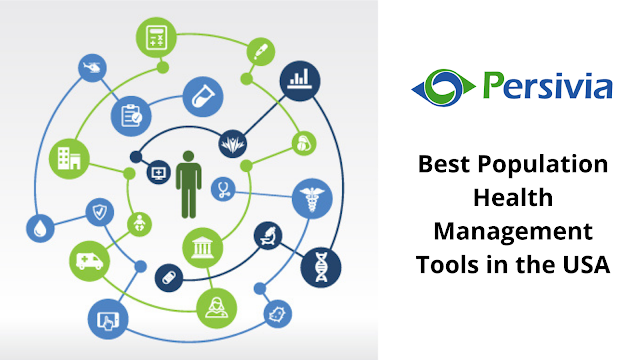
Best Population Health Management Tools in the USA

 Population Health Management (PHM) is increasingly becoming a must-have strategy for healthcare organizations. The PHM aims to improve general health issues, assist healthcare providers and public utilities in identifying unreported patient needs, formulating essential healthcare priorities, making effective use of public funds, preventing illnesses, and forecasting care requirements.


The Population Health Management Platform accumulates patient data from numerous health informatics and then interprets it into implementable patient data. Healthcare organizations invest heavily in the Population Health Management Platform to benefit from predictive advising, clinical decision making, patient association management ability, and other performance characteristics that complement the Triple Aim.

Functions of Population Health Management Tools:

The Population Health Management Platform offers an extensive patient data repository and a set of analytic tools for better predicting and managing illnesses. Another use of PHM tools is to make care delivery more efficient throughout the population.

The PHM tools strive to raise the organization's efficiency and cost-effectiveness while also improving the quality of tailored care delivery. Data aggregation and interoperability contribute to more accurate patient health risks and a more precise picture evaluation of public health patterns.

The data analytics' characteristics of the PHM tools can be used to optimize the value and expenditure of care and investigate health behaviors in a population.

Population Health Management Platform and Value-Based Care

compared to traditional fee-for-service models, Pop Health tools are becoming more synchronized with value-based care delivery methods, also known as CMS pay-for-performance mechanisms.

When calculating cost analysis, the value-based care delivery model estimates the quality of service or treatment is delivered and the patient's health outcomes. This healthcare strategy emphasizes treating patients with coordination and communication among clinicians across all patient care stages.

Healthcare practitioners that employ the best Population Health Management tools to facilitate effective treatments and improved care quality will be qualified for incentive payments under this value-based care paradigm.

Population Health Management Companies in the USA

The Population Health Management Companies in the USA provide PHM solutions that combine care administration, a thorough grasp of risk management, and a well-managed delivery method to decrease costs while providing patients with increased participation.

Among the most outstanding PHM tools and capabilities are Data Capabilities, Financial Services, and Care Management. Their further classification is as follows:

Data Capabilities

  • Data analytics
  • Predictive analytics
  • Business intelligence
  • Integration with EMR and EHR software

Financial Services

  • Cost-of-care analysis
  • Payment bundling
  • Dashboard feature

Care Management

  • Predictive alerts
  • Patient-reported data
  • Patient risk stratification
  • Reminders for testing and treatment
  • Patient involvement and outreach


Featured post

What Determines Digital Health Platform Long-Term Value?

Digital Health Platform selection changed from checking features to judging longevity. Healthcare organizations cannot afford platforms wor...