Tuesday, November 30, 2021

How To Get Started With Population Health Management Platform?

 The healthcare sector has evolved significantly, and so has the concept of pop health. While patient population outcome statistics continue to be vital to the paradigm, the introduction of data mining tools, as well as the incorporation of a performance-based financial aspect, has broadened the Population Health Management (PHM) conceptual framework.

Healthcare practitioners are now convinced that the Population Health Management Platform can assist them in determining how to make data-driven evidence-based decisions. This platform assists them in deciding how to effectively and efficiently allocate resources across various healthcare settings to boost systematic efforts to coordinate care at reduced costs.

Safe and effective PHM is likely to result in better and more consistent patient outcomes if a data-driven strategy is used proactively. Healthcare providers are increasingly acknowledging that the Population Health Management Platform is a key element of value-based care delivery, which strives to enhance the quality of medical care, patients’ experience, promote community health, and minimize healthcare costs.

Starting With Population Health Management Platform

The steps involve leveraging big data analytics to construct patient statistics, stratifying individuals, monitoring and evaluating both individual and group data to ensure quality and compliance. The initial stage of PHM is often the compilation of critical and essential demographic data, claims data, socioeconomic data, and Electronic Health Records (EHRs) about individuals assigned to the healthcare practitioners to improve patient care.

The integration of Population Health Management as part of the EHRs Solutions is the first step in developing an efficient Population Health Management Platform. Many providers have preferred to leverage their EHRs' pre-existing configurations or modify their EHRs to match the requirements of their PHM platform.

Accountable Care Organizations (ACOs) are reinvigorating their on-the-ground population health management capabilities by hiring care providers such as nursing staff and licensed practical nurses to effectively manage regular medical responsibilities such as responding to after-hours helplines, performing annual checkups or other preventive services, and assisting patients in scheduling an appointment with consultants or interpersonal health providers.

According to studies, ACOs are investing in a wide range of health IT solutions, such as Certified EHRs Solutions, database systems, patient portals, telemedicine, and health information exchange to identify embedded analytics features.

Developers of health IT systems offer risk adjustment tools and clinical decision support systems powered by cutting-edge natural language processing (NLP), semantic data processing, and cloud-based technologies. These cutting-edge technologies can precisely classify populations for efficient management, perform predictive analytics, encourage clinicians to take proactive measures and make it much easier to communicate information and coordinate medical intervention at the right time.

Population Health Management Platform will undoubtedly serve as a baseline for the vast number of prospective healthcare reform measures.
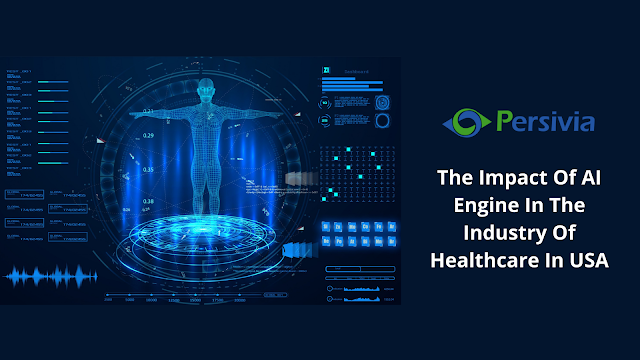


The Impact Of AI Engine In The Industry Of Healthcare In USA

AI is already having an influence on the healthcare industry in the United States. From medical and psychiatric management to risk assessment, there is practically unlimited potential to use AI Engines to deliver more accurate, cost-effective, and impactful interventions at the right time in a medical situation. In the future, AI will surely be required to assist clinical and other applications that result in more perceptive, effective treatment and operational settings.


Artificial Intelligence in HealthCare
makes medical information more accessible, relevant, and accurate. Due to the rising complexity and diversity of data in healthcare, practitioners are increasingly relying on Artificial Intelligence. Several kinds of AI Engines are already being used by payers, care providers, biotechnology, and pharmaceutical companies. Diagnosis and treatment indications, patient involvement, compliance, and administrative duties are the most common types of AI applications in the medical field.

Healthcare solutions that save money and boost efficiency are becoming increasingly popular, due to the usage of AI in many of them. According to a recent Frost & Sullivan study, Artificial Intelligence & Cognitive Computing Systems in Healthcare, the industry earned $633.8 million in 2014 and is expected to reach $6,662.2 million in 2021 at an annual compound growth rate of 40%.

In the United States, Artificial Intelligence in HealthCare is starting to emerge as a game-changer in a variety of roles. Let's have a look at some of the implications of AI Engines in the healthcare industry.

Pharmaceutical Research & Drug Development

AI-based methodologies have been created to uncover new possible remedies from big datasets of research data on patented drugs, which might then be modified to combat crucial dangers such as Infectious diseases. It has the potential to increase the productivity and success rate of drug synthesis, thus speeding up the process of bringing new medications to market in response to lethal disease challenges.

Futuristic Radiology Tools

Recent examples of enhanced tumor identification on MRIs and CTs demonstrated significant advances toward novel cancer prevention prospects. Moreover, in the United States, a manufacturer has already acquired FDA approval for an AI-powered solution to analyze and decode Cardiac MRI scans.

Identifying Patient Risks

AI-based technologies are efficiently speeding diagnostic and therapeutic operations by extracting stockpiles of structured and unstructured health data. This assists healthcare providers and healthcare systems in clinical decision-making by offering real-time, data-driven insights.

Non-Clinical Procedures

AI helps healthcare organizations in saving time and money by automating organizational activities. AI-based algorithms enable health plans to identify and reduce incorrect billing practices to optimize member billing. Likewise, Conversational AI is helping to improve the customer experience.


Monday, November 29, 2021

Maximizing Annual Wellness Visits with Telehealth

Centers for Medicare & Medicaid Services (CMS) quickly increased access to Telehealth services amid the COVID-19 pandemic. CMS has relaxed rules that prevent which patients are eligible for Telehealth services. The blanket waiver removes any geographical constraints and negates the need for the patient to commute to an issuing facility, for example, a health center. The patient can be anywhere in the homeland, even their own residence.


In 2020, CMS approved enhanced telehealth services coverage prospects under the 1135 exemption legislation and the Coronavirus Preparedness and Response Supplemental Appropriations Act (CPRSAA). This significant transition permitted previously prohibited treatments, including psychological counseling, mental health evaluations, and proactive medical checks, to be delivered at the residence.

Within eight months, approximately 68 million Telehealth consultations were managed, representing a 2,700% growth. Online check-in options or quick check-ins for new or existing sick people were operational over the telephone, by using video calls, or by giving access to patient portals.

Telehealth protects patients and caregivers from viral replication, minimizes the need for protective gear, and creates a user experience to preserve the patient-provider connection and confidence. Annual Wellness Visits (AWV) through telehealth also enable healthcare practitioners to pre-emptively involve patients and assist them in overcoming hazardous health practices. 

Telemedicine Is an Essential Part of AWV

Telemedicine makes it easier to identify and manage care requirements before they become severe enough to need a patient's visit to an in-person medical facility, for instance, an emergency clinic or hospital admission.

Telehealth for Boosting Annual Wellness Visits

The Annual Wellness Visits (AWVs) is a reimbursable telehealth appointment that sets a standard to guarantee Medicare patients are cared for during the COVID-19 outbreak. Furthermore, the advantages to the patient's health and the protracted financial effects must build credibility in Telemedicine.

Telehealth mandates actual human audio and video communication so that patients and their care providers can see and hear one another. Medicare, the federal government plan in the United States, has made substantial adjustments to assist healthcare providers who undertake telehealth AWV. 

Among these modifications are the following:

  • Annual wellness check-ups can be handled only by audio.
  • The blood pressure and weight stated by the patient are acceptable.
  • Professional claims for non-traditional telemedicine services invoiced were reimbursed at the same cost as an in-person consultation.

The AWVs conducted via telemedicine services can be improved by increasing Care Coordination among caregivers to do chart prep which includes health risk evaluation inquiries, reviewing the medication list, and Social Determinants of Health (SDoH) probes. Such profiling can be completed before the patient-provider meeting via Patient Portal - EMR entry point.


Best Risk Adjustment Solutions for Health Plans

The Risk Adjustment (RA) initiative is one of three risk-sharing initiatives intended to minimize the costs and risks that insurance providers encounter in the healthcare insurance exchanges introduced by the Affordable Care Act (ACA). Risk adjustment, as explained by the Centers for Medicare and Medicaid Services (CMS), forecasts individuals' potential healthcare costs based on diagnoses and demographic groups. Risk adjustment changes reimbursements of all providers depending on an estimate of the cost of the patient's treatment.


Healthcare financial institutions employ appropriate effective, thorough
Risk Adjustment Solutions, which necessitates taking a multitude of elements into consideration, including efficacy, compliance management, and patients' and healthcare providers’ contentment.

Efficient Risk Adjustment Model for Healthcare Plans involves the latest software to increase data analytics, collect indicated but unaccounted for diseases, seek health records with the better potential of generating excess coverage, and represent the real expense of the participant population. The adaptable and configurable strategy integrates risk-adjustment initiatives, combines analytics, and generates dashboards that look pretty familiar. The adaptable and configurable strategy integrates risk-adjustment initiatives, combines analytics, and generates dashboards that look pretty familiar.

CMS-HCC Coding Model

CMS employs Hierarchical Condition Category (HCCs Coding) to compensate Medicare Advantage plans depending on their participants' wellness. It precisely compensates for patients' projected cost spending by adjusting reimbursements depending on socio-economic data and patient health conditions.

The risk adjustment identifies individuals who need treatment planning and calculates the financial services granted by CMS towards each individual's yearly treatment by applying HCC Coding. Each individual diagnosis is utilized to produce the Risk Adjustment Factor (RAF), and the rating is used to evaluate not just payer coverage but also future possible expenditures connected with each patient. For HCC Coding to be effective, the insurance company must submit all diagnoses that influence the patient's assessment, care, and therapeutic interventions, including co-existing chronic conditions, comorbidities, and therapies delivered.

Modern Risk Adjustment Solutions Require Natural Language Processing (NLP)

Health insurance companies can effectively and efficiently risk categorizing their members using the NLP-aided coding system, concentrating on those with the most misdiagnosed symptoms and the largest number of claimed source codes without reference. This NLP-assisted risk classification adds tremendous value by allowing professionals to pick the most important members first and then navigate their way down the list of priorities.

NLP automation can speed up the data recovery method by enhancing searching, assembling, and automated data extraction. It helps eliminate or drastically lower chart hunt problems and improves efficiency, cost, and annoyance on both sides.


Wednesday, November 24, 2021

Population Health Management and ACOs: Will ACOs Meet Their Goals of Lower Costs?

Population Health Management Platform combines IT tools and related features that enable healthcare provider organizations to comprehend treatment approaches for patient populations and accomplish specific quality, expense, and satisfaction goals.


As per Population Health Management, the goal of Accountable Care Organizations (ACOs) is to continue improving clinical services, individual health, foster population wellness, and lower costs. Medicare has specifically prioritized ACOs as the primary tool for enhancing quality care and lowering costs. ACOs actively promote Pop Health by emphasizing prevention and robust management of patients with chronic conditions.

ACO members are encouraged to deliver quality care to enhance and maintain their patients' health through rewards such as linking clinician payment to quality care measures or penalizing hospitals for unscheduled rehospitalization. The ACOs’ objective is to substantially lower healthcare costs by providing medical intervention that keeps patients healthy.

ACOs and Health Departments Collaborate for Pop Health

ACOs and health departments are working together to improve Pop Health. The following are some instances of the role these departments play in assisting ACOs in fulfilling their health outcomes and cost-cutting objectives:

1. Providing data on care services access, health risk factors, and prevalence by population.

2. Informing elderly people about evidence-based preventative measures such as fall prevention and healthy behaviors.

3.  Using culturally adapted approaches to address healthcare disparities.

4. Organizing activities and advocating legislative changes to encourage healthier choices.

5.  Collaborating with other safety-net organizations.

6.  Assisting with evaluations and Pop Health monitoring.

7. Providing care managers and expertise by connecting with state and national healthcare networks.

Strategies of ACOs to Meet Goals of Lower Costs

ACOs have been able to provide better care at reduced costs by incorporating health IT equipment, adopting population health management plans, enhancing post-acute care delivery, and applying other care and cost-effective strategies.

Strategy 1: Identify Seriously Sick Patients

ACOs should begin to prioritize the critically ailing patients for population health management, integrate a more holistic home visit plan, and employ healthcare IT solutions to coordinate treatment and avoid unnecessary hospitalization. It will drastically lower costs and enhance care quality.

Strategy 2: Setting a Holistic Home Visit

Home visit intervention solutions in ACOs are fragmented and potentially underutilized. Creating a formal implementation care delivery system for patients at home can also save money by minimizing rehospitalizations and assisting patients with precise medical needs to monitor their diseases in lower-acuity situations.

Strategy 3: Incorporating Health IT

CMS has highlighted care coordination as a critical component of care quality and lower costs. ACOs should assess their care and cost-management methods, and health IT systems to modify the patient outcomes.


Monday, November 22, 2021

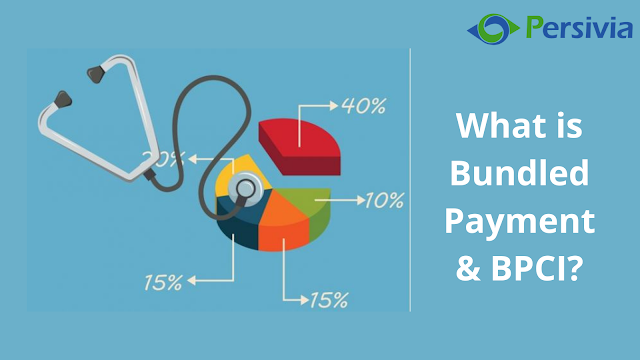
What is Bundled Payment & BPCI?

 The Centers for Medicare & Medicaid Services (CMS), through the Center for Medicare and Medicaid Innovation (CMMI), and the other stakeholders are actively developing cost-cutting initiatives to curb unsustainable healthcare costs. In this context, CMS has created a Bundled Payment Program known as BPCI Advanced.


A Bundled Payment combines or bundles Medicare reimbursements to healthcare institutions for several types of medical services supplied to the patient over a specific time period. Bundled-payment programs reimburse hospitals, clinicians, post-acute practitioners, and other care professionals (for home healthcare, diagnostics, medical devices) for a specific duration of intervention. The BPCI Advanced might involve a hospital inpatient hospitalization or an outpatient procedure.

Synopsis of the BPCI Model

The BPCI Advanced model allows health professionals to receive incentive payments by cutting healthcare spending while preserving the quality of coordinated care. The following aspects distinguish the BPCI Program from previous bundling initiatives:

  • It is crafted on the basis of Voluntary Service.
  • It is a retrospective bundled payment and a specific risk profile, with a Medical Period length of 90 days.
  • Starting with Model Year 4, there will be 8 Clinical Episode Service Lines Groups (30 Inpatient, 3 Outpatient and 1 multi-setting Clinical Episode category)
  • It qualifies as an Advanced Alternative Payment Model (AAPM)
  • Payment is linked to performance on Quality Measures.
  • Prior to each Model Year, Preliminary Target Prices are published.
  • Physician Group Practices (PGPs) may be the primary stakeholder and in-power of allocating financial risk among other stakeholders.

How does BPCI Advanced Works?

The program meets the Advanced Alternative Payment Model criteria under the Medicare Access and CHIP Reauthorization Act of 2015. (MACRA). Healthcare professionals are not required to submit Merit-based Incentive Payment System (MIPS) reports for the patients. Outpatient procedures are currently responsible for three Clinical Episodes (CE), including percutaneous coronary intervention, cardiac defibrillator, and back and neck procedures.

BPCI Advanced will perform on the basic principle of total-cost-of-care, which means that the total Medicare Fee for Services (FFS) spent on all products and services provided to a BPCI Advanced Beneficiary during the CE, including outlier reimbursements, will be included in the CE spending for uses of the Target Price and settlement estimations, except if explicitly excluded.

BPCI & Risk Adjustment Coefficients

The risk adjustment coefficients will not be recalculated during the Performance Cycle. Instead, the risk adjustment factors from the baseline period (4 years) will be re-utilized to the actual case mix that took place during the Performance Cycle.


Tuesday, November 16, 2021

The Optimized Risk Adjustment Solution in 2021

Risk Adjustment (RA) is a statistical approach that considers health coverage subscribers’ underlying health conditions and healthcare costs while analyzing healthcare outcomes or expenses. Risk Adjustment Solutions help in ensuring compliance, precise compensation for beneficiaries' risk costs.


The COVID-19 pandemic levied a burden on the whole healthcare industry, particularly for the Risk Adjustment. The upheaval caused by the pandemic resulted in negative repercussions, including declines in preventative interactions such as yearly health and wellbeing checkups. There are some positive outcomes as well, such as the expansion of telehealth adoption among providers.

However, the year 2021 has shown a distinct potential to become a year of optimized risk adjustment. With the implementation of the American Rescue Plan Act of 2021, Consolidated Omnibus Budget Reconciliation Act (COBRA)  constraints and rates have been decreased and some are even removed. The legislation modifies various healthcare insurance programs to broaden Medicaid subsidy-eligibility and enhance government financial assistance for insurance plans while permitting the Affordable Care Act (ACA) exchange an off-calendar second opportunity to open.

Medicare Advantage (MA) registration is surging, with 2.4 million new subscribers, a 9.9 percent increase year on year, which further overlaps with the MA 2020 dates of service (DOS) filing closing date extension. The first objective is to regulate income and guarantee no gaps in the 2019-2020 population RAF. Another way to income continuity is to work on detecting overlooked and under-coded variables that might yield funding soon, for 2021 dates of service (DOS). Speculative solutions, such as Lumanent Pre-Encounter Prep, a National Language Processing (NLP) powered advanced Risk Adjustment Model, can be used when patient numbers increase, detecting conditions overlooked in previous years and not focusing solely on old RAF scores, but drilling down and increasing them.

Next, minimizing excessive risk adjustment expenditure is critical, especially given its position under MLR guidelines for payers. Optimize the efficiency and productivity of the internal coding workforce using Lumanent Retrospective Review. With a modular application suite, precise risk collection is possible. Luminant Connect is a completely automated data retrieving solution that refers to risk adjustment and can abolish this persistent risk while lowering spending.

Lastly, Medicaid Accountable Organizations (MAOs) must continue to monitor their risk adjustment procedures to ensure precise diagnostic data submission. Conduct targeted Hierarchical Condition Category (HCC Coding) evaluations for diseases that are prone to documentation inaccuracies.

The Risk Adjustment Value Assessment for each company is a unique statistics analysis. It identifies which market segments, provider groups, and disease classifications have the most potential, allowing for targeting priority that leads to a considerable improvement in outcome measures over conventional methods.


Monday, November 8, 2021

Accountable Care Organizations (ACOs) Can Boost Savings

Accountable care organizations (ACOs) are voluntary collaborations of practitioners, medical facilities, and other healthcare providers to provide coordinated, high-quality care to Medicare beneficiaries. The primary objective is to ensure that patients receive the right treatment at the right moment while preventing unnecessary duplication of medical services and overcoming clinical errors.

When an ACO is efficient and effective in providing adequate care and strategically spending healthcare finances, the ACO will receive a certain amount of the savings it gained for the Medicare Shared Savings Program (MSSP). Established by the Affordable Care Act, MSSP is dedicated to improving individual health, population health, and reducing expenditure growth.

According to the Centers for Medicare & Medicaid Services (CMS), ACOs participating in the MSSP netted nearly $2.3 billion in performance payments (shared savings) in 2020 while saving Medicare $1.9 billion. This represents the fourth year of savings for Medicare.

ACOs Practices Boosting Savings:

ACOs strive to eliminate fragmentation in clinical outcomes and expenditures by providing clinicians with incentives and methodologies to offer high-quality, coordinated care that effectively enhances outcomes for individuals. So far, over 12.1 million Medicare fee-for-service enrollees are served by a primary care physician participating in Medicare ACO.

Researchers discovered that few ACOs using the model's capabilities to manage chronically ill patients are seeing outcomes, and the organizations are primarily utilizing current infrastructure to do so.

In addition, the ACOs linked patients to pre-existing community care services and used community healthcare workers to increase the efficacy of acute disease treatment.

Data management technologies also aided ACOs in tracking critical disease care statistics to improve population care planning and execution. ACOs also used the performance indicators to maintain and coordinate patient care throughout the healthcare ecosystem.

Caring for an individual at home can also save money by reducing readmissions and assisting the patient to monitor their diseases in relatively low settings. Almost 80% of ACO officials mentioned that home visits were used for care transitions for some patients within 72 hours after discharge. However, only 25% of ACO practices reported conducting home visits for individuals with complex medical needs during care transitions.

Developing a comprehensive implementation procedure and alerting all associated caregivers of the home care can assist ACOs in reaping the full advantages of treating patients at home. By customizing the home visit program to a specific group, the healthcare system reduced Medicare payments for their most costly individuals in 2 years.

Conclusion:

Accountable care organizations (ACOs) now must assess their present healthcare and cost-management methods, along with their healthcare information and technology solutions, to induce the performance upshots of more participants.


Wednesday, November 3, 2021

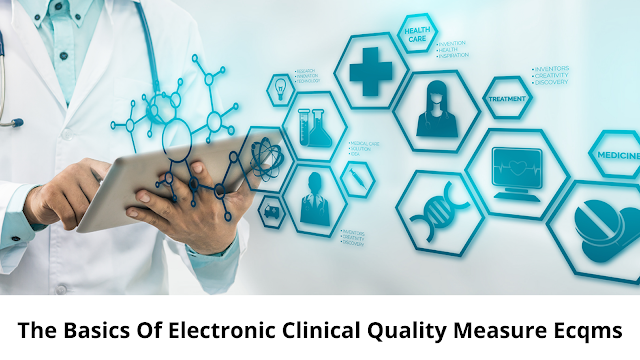
The Basics Of Electronic Clinical Quality Measure Ecqms

Electronic Clinical Quality Measures (eCQMs) are technology-based indicators that play an essential role in the measuring and tracking of the quality of healthcare service provided by Eligible Professionals (EPs), Eligible Hospitals, and Critical Access Hospitals (CAHs). Centers for Medicare & Medicaid Services (CMS) use eCQMs in a range of quality reporting and value-based procurement initiatives.

The eCQMs are intended to take advantage of structured encoded data derived from the provider's Electronic Health Record (EHR). The eCQMs are updated annually to reflect changes in clinical data, measure logic, and coding updates. The eCQMs save substantial time by shifting from traditional charting interpretation to electronic Quality Reporting.

Measuring and documenting eCQMs ensures that the healthcare system provides the optimum, secure, cost-effective, patient-centered, transparent, accountable, and responsive treatment. Multiple dimensions of patient care are measured by eCQMs, such as:

  • Patient and Family Participation
  • Patient Security
  • Coordination of Care
  • Public/Population Wellbeing
  • Utilization of Healthcare Resources in a More efficient Way
  • Interventional Process/Efficacy


How are eCQMs determined?

The computable descriptions of an eCQM specification include its aim, populations, logic, and data components, as well as value set Identifiers. Electronic health record (EHR) systems certified by the National Coordinator's Office for Patient Data are utilized by health information technology to compute the outcomes for each eCQM based on its deliverables.

ACOs Solutions

An Accountable Care Organization (ACO) is a collection of clinicians, hospitals, and other healthcare professionals that collaborate to offer coordinated, high-quality care to patients. ACOs participating in the Medicare Shared Savings Program (MSSP) must adopt the new reporting structure known as the APM Performance Pathway (APP).

The CMS Web Interface will no longer be supported after 2022. That implies that all ACOs must develop a strategy for reporting APP quality measures using eCQMs to submit all-payer information.

ACOs Solutions assist in monitoring patients' health records for a certain period, assessing the effectiveness, and reporting data to CMS for evaluation. These solutions offer interoperability, less development time, Audit-ability, tracking, flexibility, and security.

EHR Solutions

From managing patient flow to ePrescribing, healthcare professionals require efficient EHR Solutions with flexible charting options. However, there are no perfect EHR Solutions for merging data from various EHRs or related to eCQMs methodology. EHR Solutions should offer users an automated alternative to provide context-sensitive constructive criticism to enhance organizational performance and reliability. EHR Solutions should support integrated healthcare across clinical settings, export data, and effectively incorporate data from other databases. 


Featured post

AI in Care Management Programs Explained for Clinical Leaders

Care management teams handle hundreds of patients with limited staff and time. AI in Care Management Programs handles repetitive work and f...